Proposal to reduce dried taxpayer soybean meal: Support Vietnam’s livestock industry
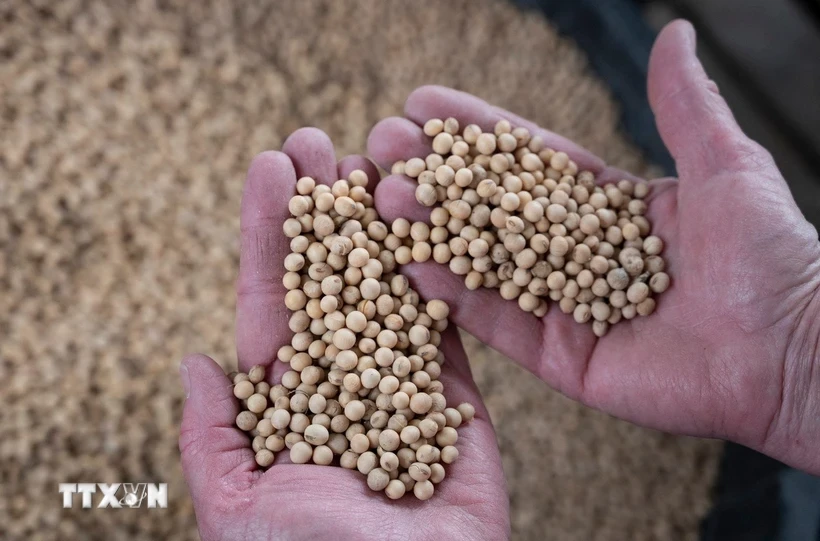
In the context of Vietnam’s livestock industry facing many challenges, the Department of Livestock Production under the Ministry of Agriculture and Rural Development has made important recommendations to remove difficulties for animal feed production enterprises. . Recently, the Department of Livestock sent an official dispatch to the General Department of Customs proposing to apply a tax rate of 1% on soybean meal, an important raw material in animal feed production.
The current situation
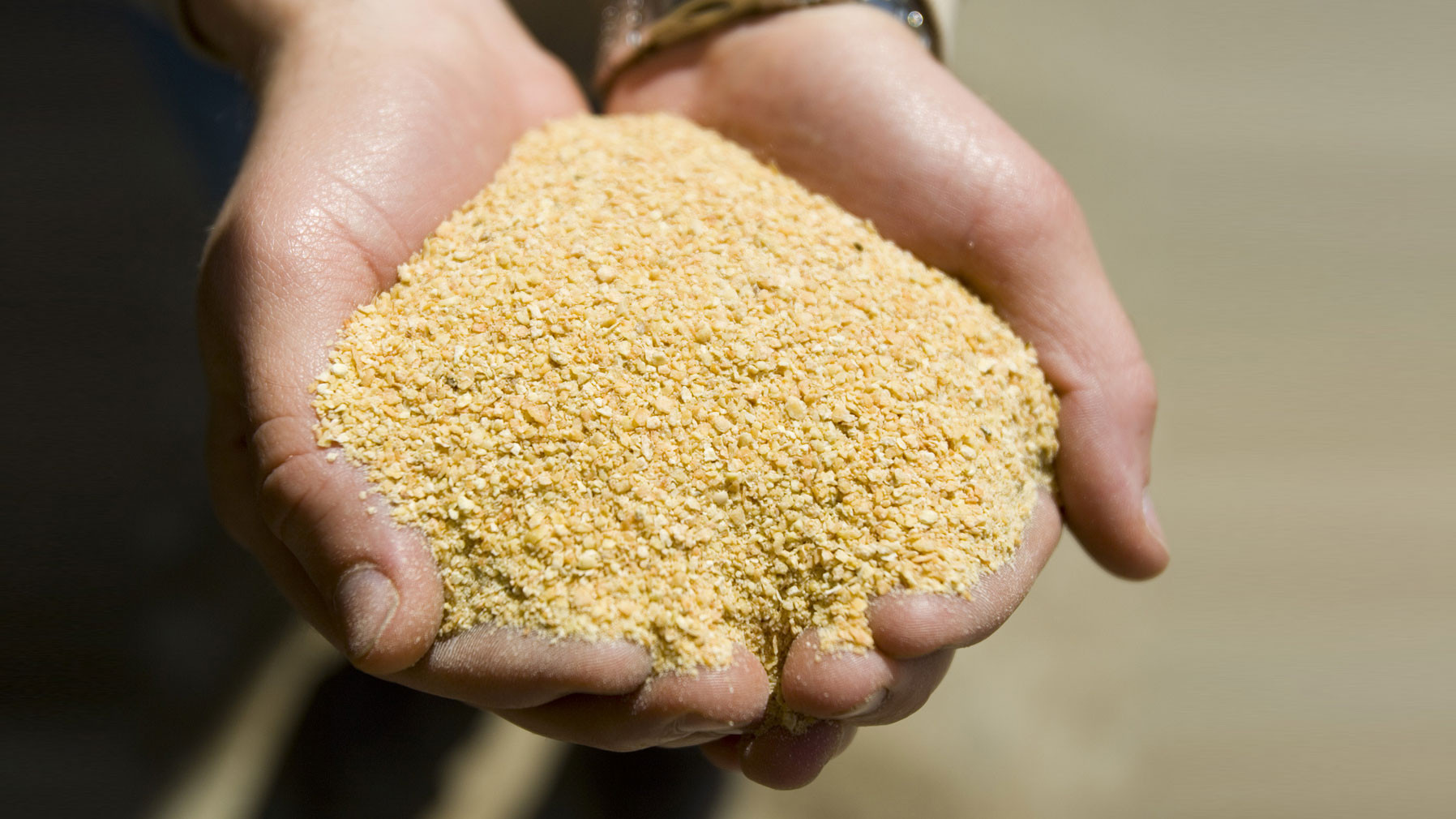
According to the Government’s Decree 144/2024, soybean meal is currently subject to a 2% tax rate for some types of raw flour, while other forms such as fine powder, tablets, bars, and blocks are only subject to 1% tax rate. This has caused inequality in the application of taxes between products, leading to difficulties for businesses in the livestock industry.
Difficulties from businesses
On January 4, 2025, the Dong Nai Breeding Association and many businesses sent a written reflection to the authorities about difficulties in accessing the policy of reducing import tax. Although Decree 144/2024/ND-CP has reduced the tax rate from 2% to 1% to support businesses in the difficult context, since effective December 16, 2024, many businesses have not been able to not be able to benefit from this policy due to the difference in the goods code specifications.
Specifically, the customs departments in Ho Chi Minh City and Ba Ria-Vung Tau have applied the code 23040029 with a tax rate of 2%, while businesses declared the code 23040090 to benefit from a 1% tax rate according to the system of the General Department of Customs. This lack of consistency has prolonged clearance times, increased costs, and caused confusion within the business community.
The Dong Nai Livestock Association has warned that this situation not only severely impacts production and business operations but also contradicts public expectations for policies supporting the livestock sector. The inconsistency in tax rates between countries with free trade agreements with Vietnam and other countries risks disrupting a stable and high-quality supply of raw materials.
Additionally, the price of soybean meal on the market has risen by more than 12% in the past two weeks due to supply-demand fluctuations, placing significant pressure on production costs. Meanwhile, the selling prices of livestock products are unlikely to increase correspondingly, putting the feed industry at significant risk.
Recommendation of the Department of Livestock Production
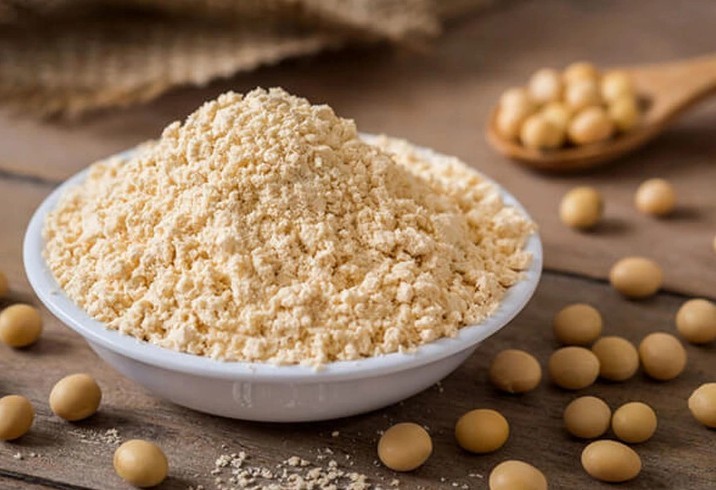
The Department of Livestock Production has researched and said that soybean meal is a traditional material, there is no difference in nature and uses between products. Therefore, the Department of Livestock Production has proposed to the General Department of Customs to apply a uniform tax rate of 1% for all forms of soybean meal.
Benefits of tax reduction
The proposal to reduce the import tax of soybean meal to 1% is an important step in supporting Vietnam’s livestock industry. This not only helps reduce costs for businesses but also contributes to stabilizing the food supply for the domestic market. According to the Ministry of Finance, this adjustment is implemented to support production and business enterprises to overcome difficulties, and at the same time contribute to stabilizing macroeconomics. The tax reduction policy is expected to create favorable conditions for the soybean meal industry to improve competitiveness while reducing the input costs for the livestock industry. In addition, the 1% tax rate also helps Vietnam maintain the negotiating room in the upcoming free trade agreements (FTA).
Towards a reasonable tax policy, supporting the development of the livestock industry
Proposing to reduce the import tax of soybean meal to 1% is not only a solution to remove difficulties for businesses in the livestock industry but also brings practical benefits in market stability and development. economy. In the context of increasing fluctuating raw materials and competitive pressure, support from timely tax policies will play an important role in maintaining production and production quality. This is also a stepping stone for Vietnam to enhance its position in international free trade agreements, facilitating sustainable development for the livestock industry and the economy in general.
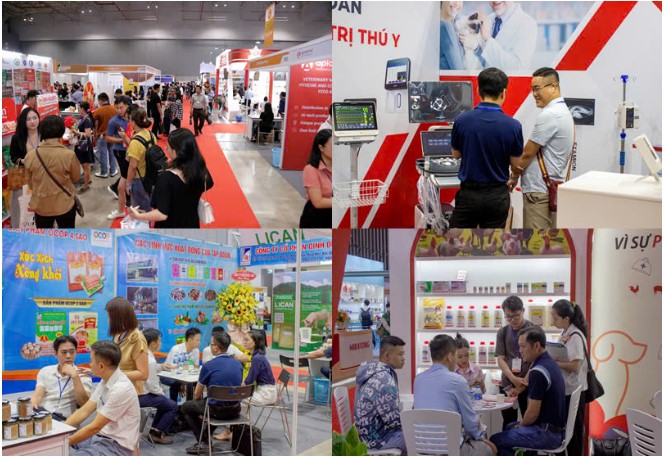
In addition, specialized exhibitions such as Livestock Vietnam 2025 will be a valuable opportunity for businesses in the livestock industry to connect, find partners, and update technology and the latest trends. This is also a place for manufacturers and suppliers to share experiences, contributing to improving the efficiency and value of Vietnam’s livestock industry.